When it comes to choosing a handset suitable for prolonged use, weight emerges as a critical factor that directly impacts user comfort and physical well-being.
The ideal weight for a handset used over long periods is a balance of comfort and functionality. Most studies and user feedback suggest that a range of 140–180 grams works best for most adults. This is heavy enough to feel solid and well-built, yet light enough to hold for hours without causing significant fatigue.
Lighter devices (under 140g) reduce strain during extended use but may feel flimsy or lack premium materials. Heavier models (over 180g) often feature larger batteries or metal builds but can cause fatigue in the wrist and fingers during continuous scrolling or typing.

Key considerations include:
- Material distribution–Evenly balanced weight prevents finger pressure points.
- Grip texture–Rubberized or matte finishes improve hold, compensating slightly for heavier designs.
- Usage context–For one-handed use (e.g., commuters), 150g±is optimal; for media consumption (two-handed), up to 200g may be tolerable.
- Studies suggest prolonged use of devices exceeding 190g increases muscle fatigue by 18-22% compared to mid-range weights. Modern flagships like the iPhone 15 (171g) and Galaxy S23 (168g) reflect this ergonomic trend.
Ultimately, the “ideal” depends on individual tolerance, but 140-180g remains the sweet spot for comfort and functionality in daily prolonged use.
While weight is important, it's not the only factor. Headphones can be lightweight but uncomfortable if they aren't well-designed. Ergonomics includes details like a padded headband, soft earcups, and a fit that conforms to your head without being too tight. These details help distribute weight evenly, preventing pressure points.
Ergonomics also plays a vital role alongside weight. A well - balanced handset, with weight evenly distributed across the body rather than concentrated in one area, enhances comfort regardless of the exact gram count. For instance, a 190-gram phone with a centered battery and slim profile feels more manageable than a 180-gram device with a lopsided design.
Weight, features and comfort: they all matter
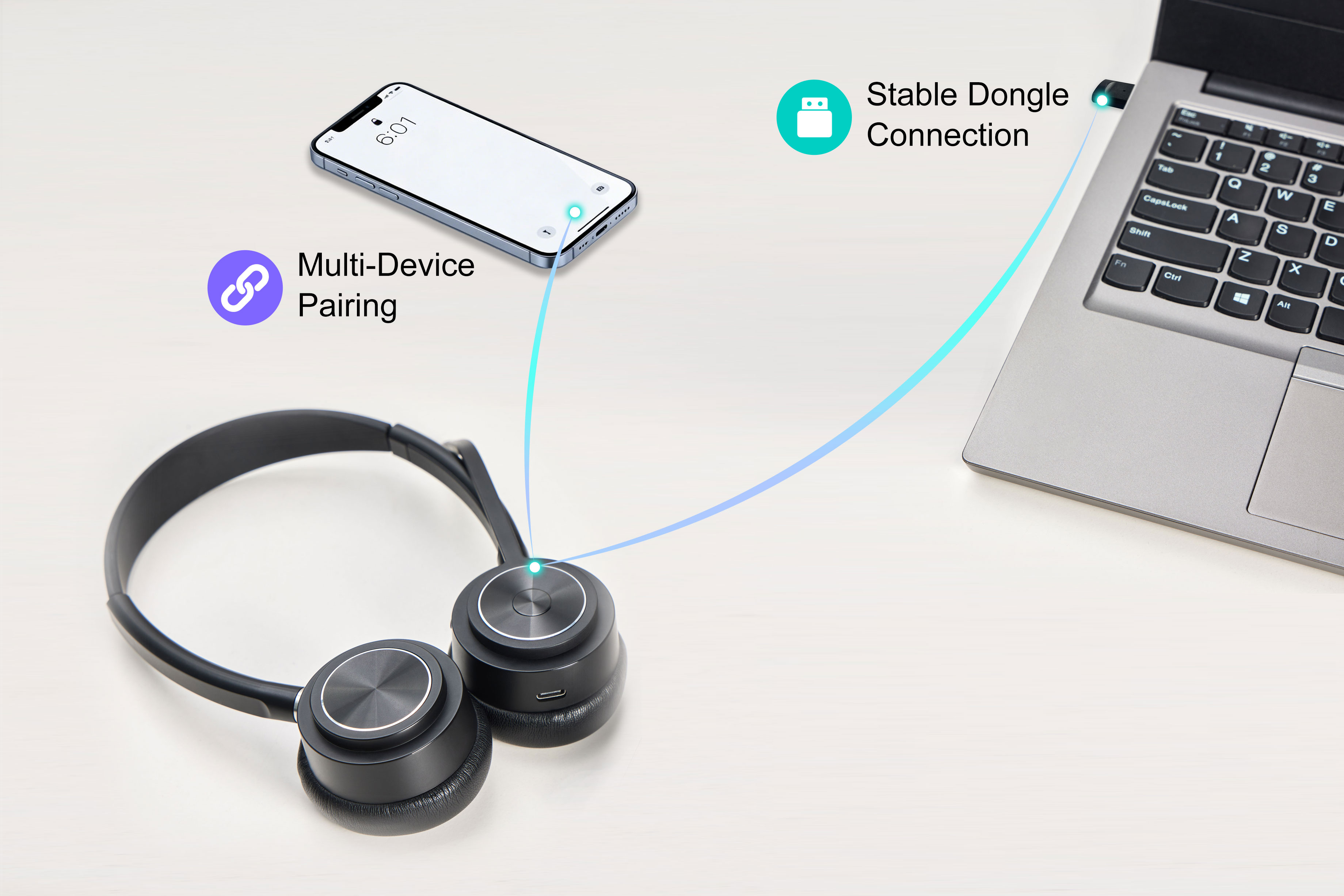
Besides weight and ergonomics, you should also consider the features you actually need. For example, if you work in a noisy environment, noise cancellation can help you concentrate. If you're constantly on the go, you need good battery life. The Inbertec bluetooth headset can support long hours -up to 19 hours of music and 22 hours talk time. What's more, it can support 500 hours standby time! Making it perfect for those who don't want to worry about charging it frequently.
The ideal weight for prolonged use is not a single number but a range that prioritizes comfort, grip, and long-term health. By keeping devices within this optimal range and focusing on ergonomic design, brands can create handsets that users can hold and enjoy all day.