In today’s digital-driven business environment, audio quality is a core component of brand professionalism, yet audio errors are often dismissed as minor technical flaws—while they inflict lasting damage on corporate credibility and customer trust. Common professional audio defects include static interference, echo, audio clipping, inconsistent volume, background noise, microphone hum, delayed audio-video synchronization, and dropped audio signals, all of which directly erode the polished image businesses strive to build.

First and foremost, audio errors signal a lack of operational precision and attention to detail, core traits of professional enterprises. When customers, partners, or clients encounter distorted audio in virtual meetings, marketing videos, customer service calls, or brand podcasts, they immediately associate these glitches with unprofessionalism, disorganization, and inadequate quality control. For B2B industries, finance, consulting, and tech sectors that rely heavily on credibility, such flaws make stakeholders question a company’s ability to deliver high-quality products or services, as poor audio reflects a failure to prioritize customer experience and technical excellence.
Below, we review some of the most common audio mistakes that can negatively impact your business's professional image:
- Using a laptop’s built-in microphone
- Failing to block constant background noise
- Speaking too far from the microphone
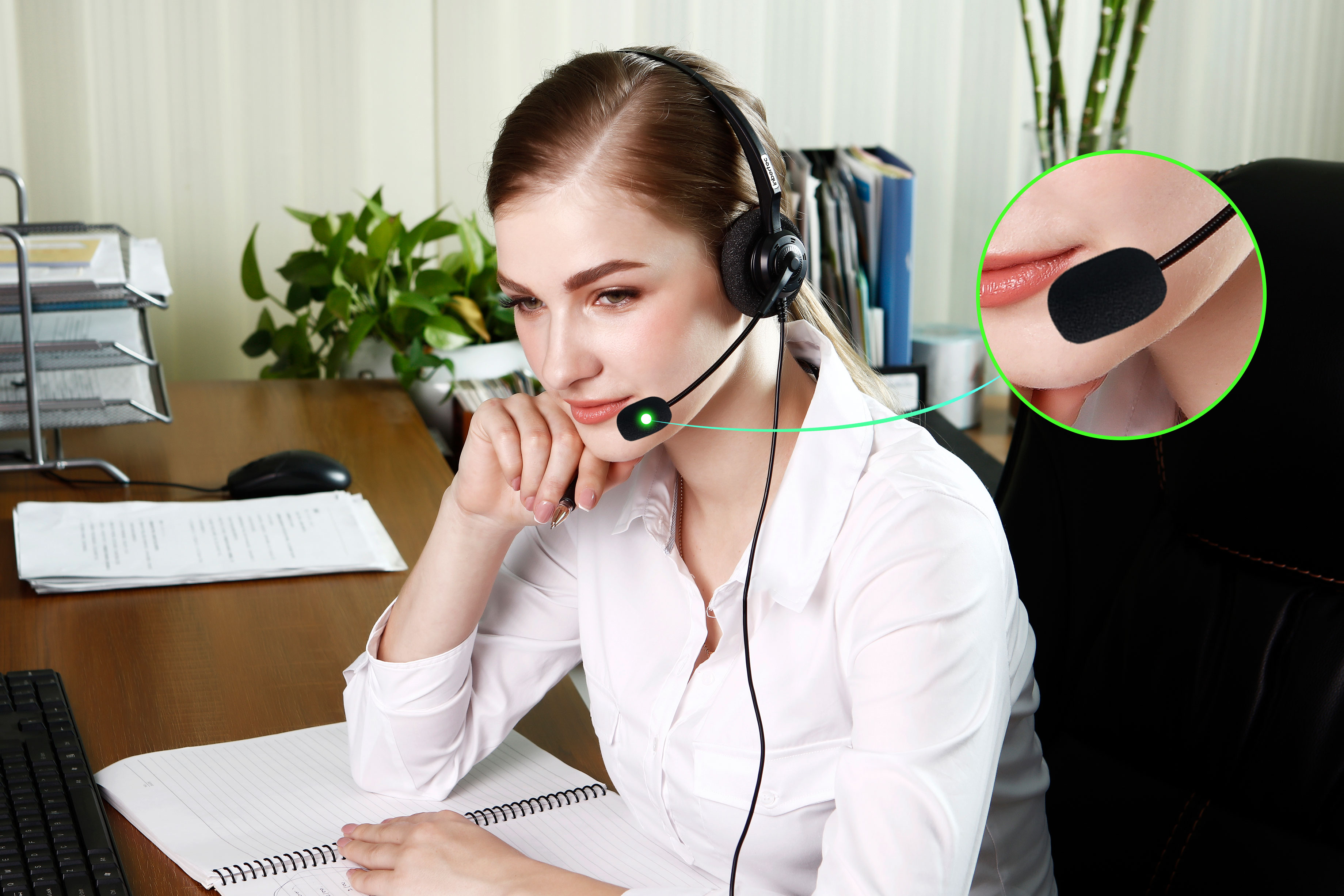
An effective way to mitigate these issues is to use headsets with microphone noise cancellation. Devices like the Inbertec UB805DM headset, with enhanced noise cancellation, help minimize ambient noise and ensure your voice is heard clearly.
Persistent audio issues disrupt communication efficiency and brand message delivery. Muffled speech or intermittent audio breaks force audiences to divert attention to deciphering content instead of absorbing key brand information, leading to misinterpretation, reduced engagement, and even loss of potential business opportunities. Over time, repeated audio errors erode brand consistency and reputation, making the business appear unprofessional and unreliable compared to competitors with seamless audio delivery.
Clear audio conveys organization, professionalism, and confidence. Conversely, sound problems create interruptions, distractions, and can negatively impact how others perceive your business.
Avoiding common mistakes and using appropriate tools—such as professional headsets designed for video calls—can significantly improve the quality of your meetings and presentations.
Audio errors damage customer loyalty and brand perception. Poor customer service call audio frustrates clients, creating negative brand associations that drive them to competitors. To safeguard your professional image, businesses must invest in professional audio equipment, conduct regular audio quality audits, train staff on audio best practices, and implement real-time troubleshooting protocols. Prioritizing audio quality is not just a technical upgrade, but a critical strategy to uphold professionalism, build trust, and maintain a competitive edge in the market.