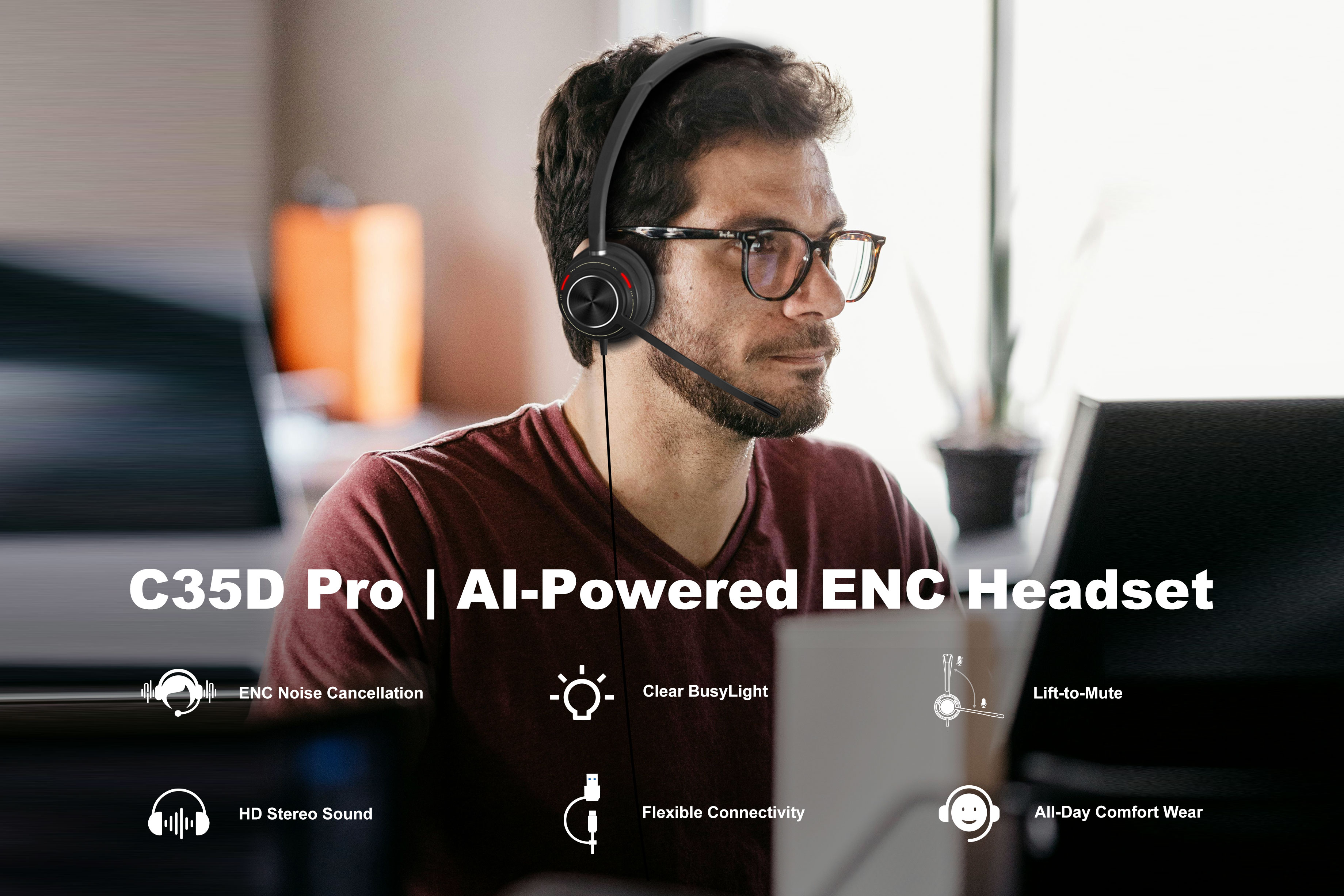
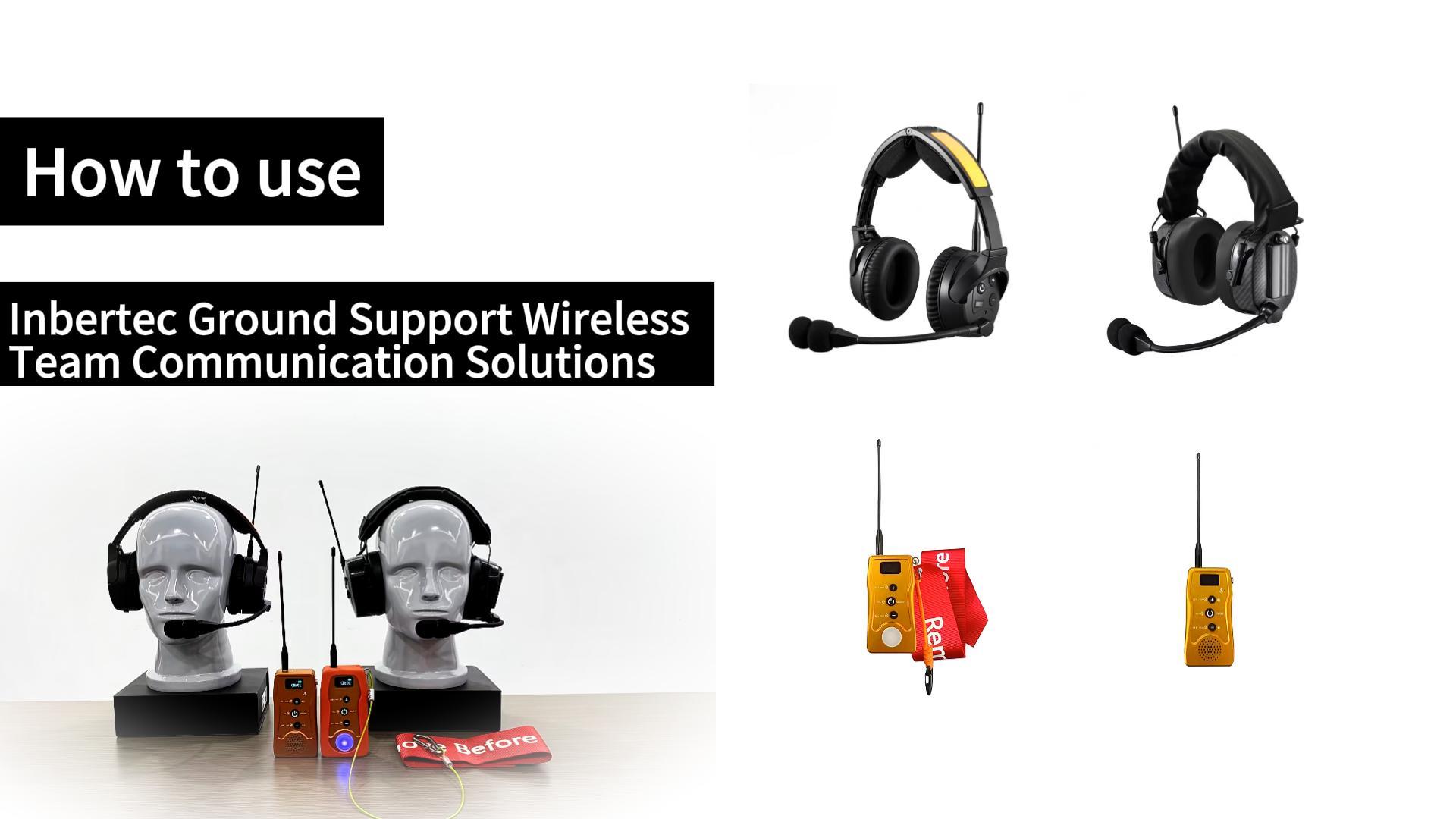
In modern corporate workplaces, headsets have become indispensable tools for daily communication, remote meetings, and customer service operations. Choosing between single-ear and dual-ear headsets is a common dilemma for enterprises, as the wrong selection may reduce work efficiency, compromise call clarity, and affect employee long-term wearing comfort. To optimize office communication and workplace experience, enterprises need to make choices based on actual working scenarios, team demands and environmental conditions.
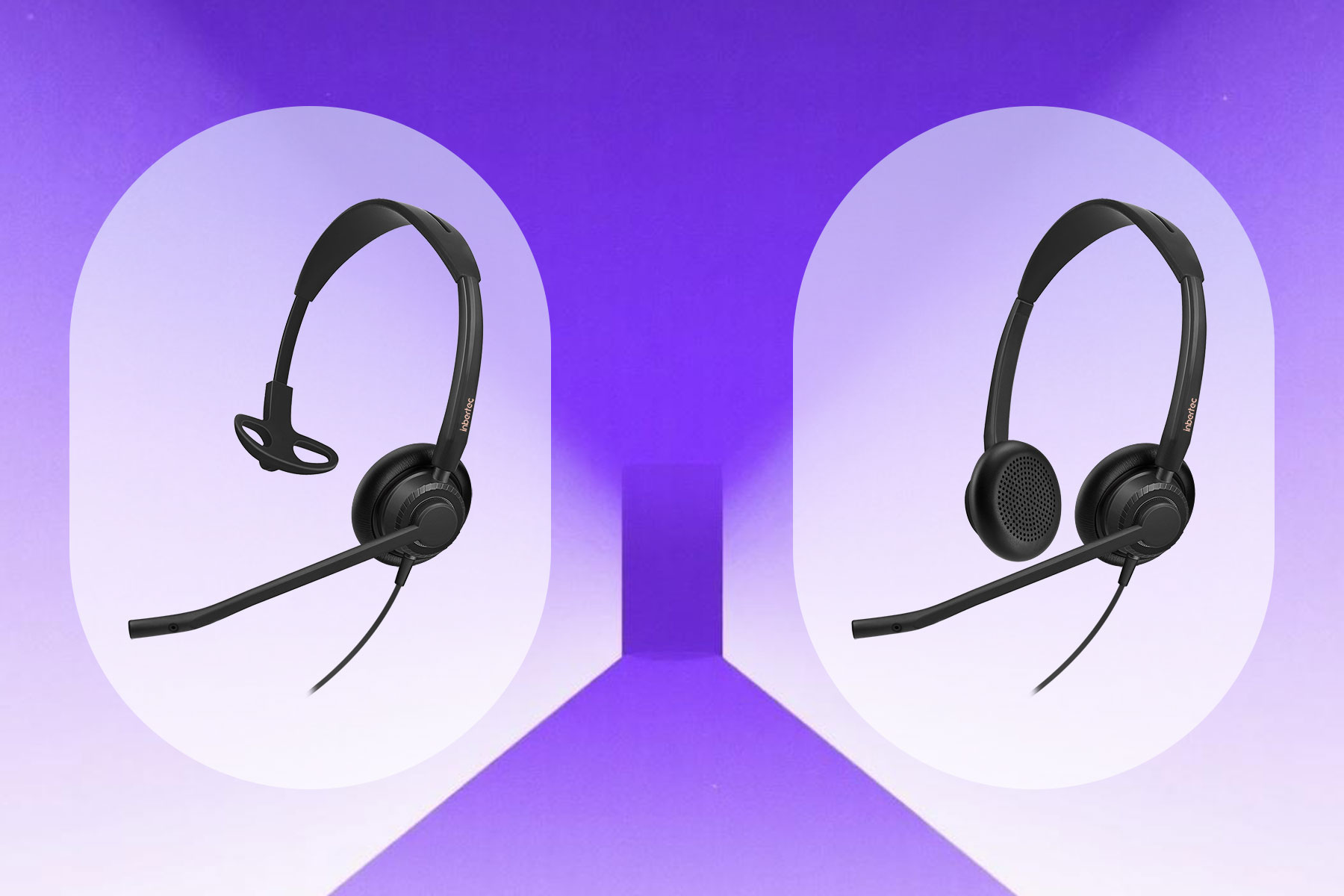
Single-ear and dual-ear office headsets differ significantly in ambient awareness, noise cancellation, wearing experience and applicable scenarios. The intuitive comparative table below clarifies their core differences for enterprise reference.
| Evaluation Dimension | Dual Ear Headsets |
|
Ambient Sound Awareness |
fully isolates external ambient noise |
|
Noise Cancellation Performance |
Powerful,stereo,noise reduction,blocks,heavy background noise |
|
Wearing Comfort |
Slightly bulkier, better airtight fit for long focused work |
|
Core Applicable Scenarios |
Noisy office floors, call centers, long-hour meeting work |
|
Communication Feature |
Avoids external interference, ensures immersive call focus
|
Single-ear headsets are ideal for open and collaborative office environments. They retain employees’ perception of surrounding sounds, allowing staff to answer customer calls while responding to colleagues’ inquiries or supervisors’ real-time guidance without removing devices. Lightweight design relieves ear pressure during all-day shifts, making them the preferred choice for receptionists, sales staff and administrative employees who need frequent offline interaction.
Dual-ear headsets stand out in high-noise and concentration-intensive scenarios. Equipped with upgraded stereo noise cancellation technology, they effectively filter keyboard tapping, staff conversations and ambient clutter in crowded offices. This feature guarantees ultra-clear call audio and undisturbed focus, perfectly fitting call center agents, remote workers and employees participating in long-duration online conferences.
Enterprises should adhere to the scenario-oriented selection principle. Collaborative and open office teams prioritize single-ear headsets for flexible communication, while noise-exposed and focus-demanding positions opt for dual-ear headsets. Reasonable matching maximizes headset value, improves overall corporate communication efficiency and enhances employee office experience.